Navigate this How-To Guide
Proper masking is an essential step when applying RAPTOR. Taking the time to mask correctly protects your vehicle and workspace from overspray and helps achieve a professional finish. Fixing mistakes later is far more time-consuming than doing it right the first time, preparation is key.
This How-To Guide focuses on simple, effective masking techniques with a few professional tips and tricks for the best results.
Why Masking is Important
Aside from protecting from overspray and isolating an area, masking defines the edges around your surface and helps to achieve a clean, professional finish. Masking can be a tedious activity, but as with most steps in the preparation phase, the more time spent, the greater the result. A good masking job
- Protects the rest of your project and workspace from overspray
- Creates clean, sharp edges
- Reduces clean-up time
- Helps to achieve a professional finish
Cover Your Project and Workspace
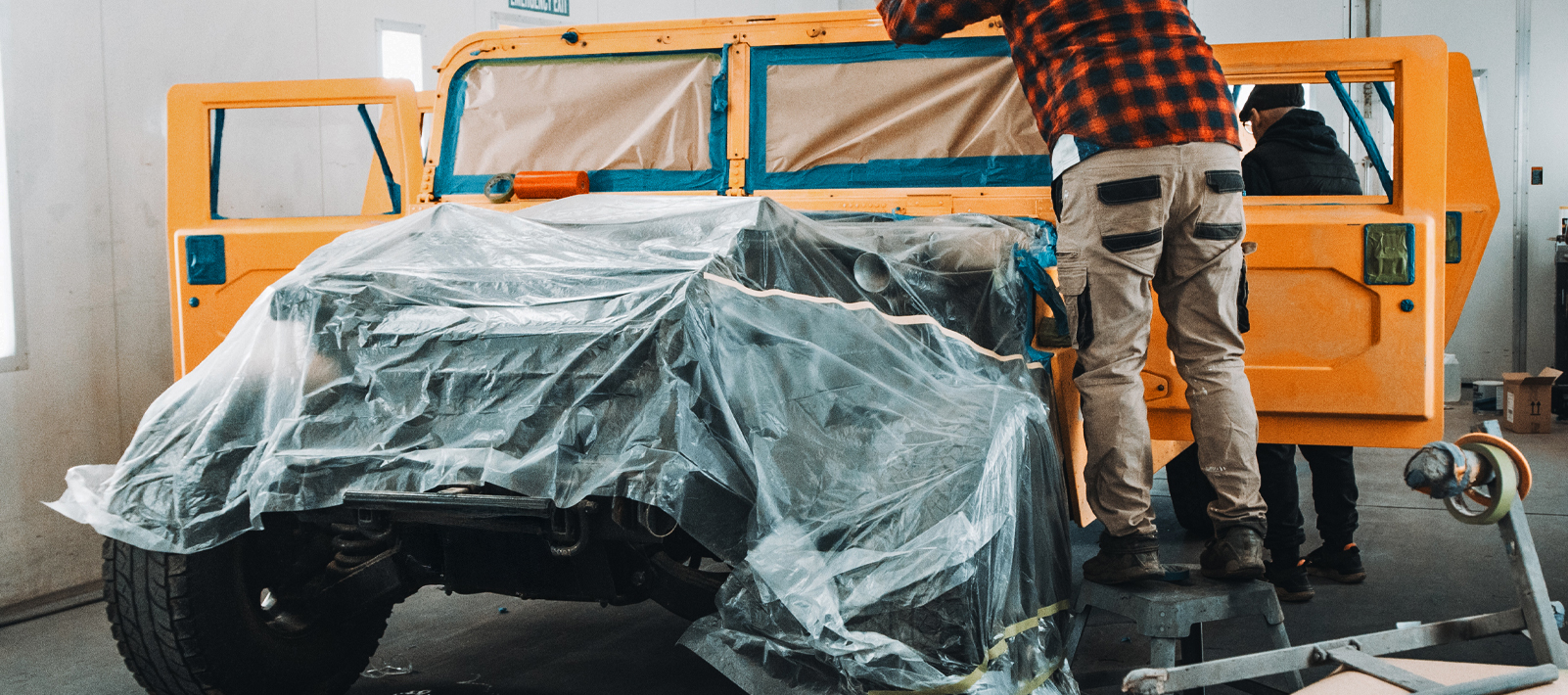
The combination of a high-quality masking tape and plastic sheeting will make masking an easy and pleasant experience. These key tips will ensure professional results
- Use a high-quality masking tape, it will make peeling off later much easier
- Ensure your plastic sheeting overlaps so no gaps are exposed
- Secure your plastic tightly so that it doesn’t fall loose onto your finished job
- Mask your floor, RAPTOR contains a heavy medium that will ruin your floor if left unprotected
Mask Before and After Sanding
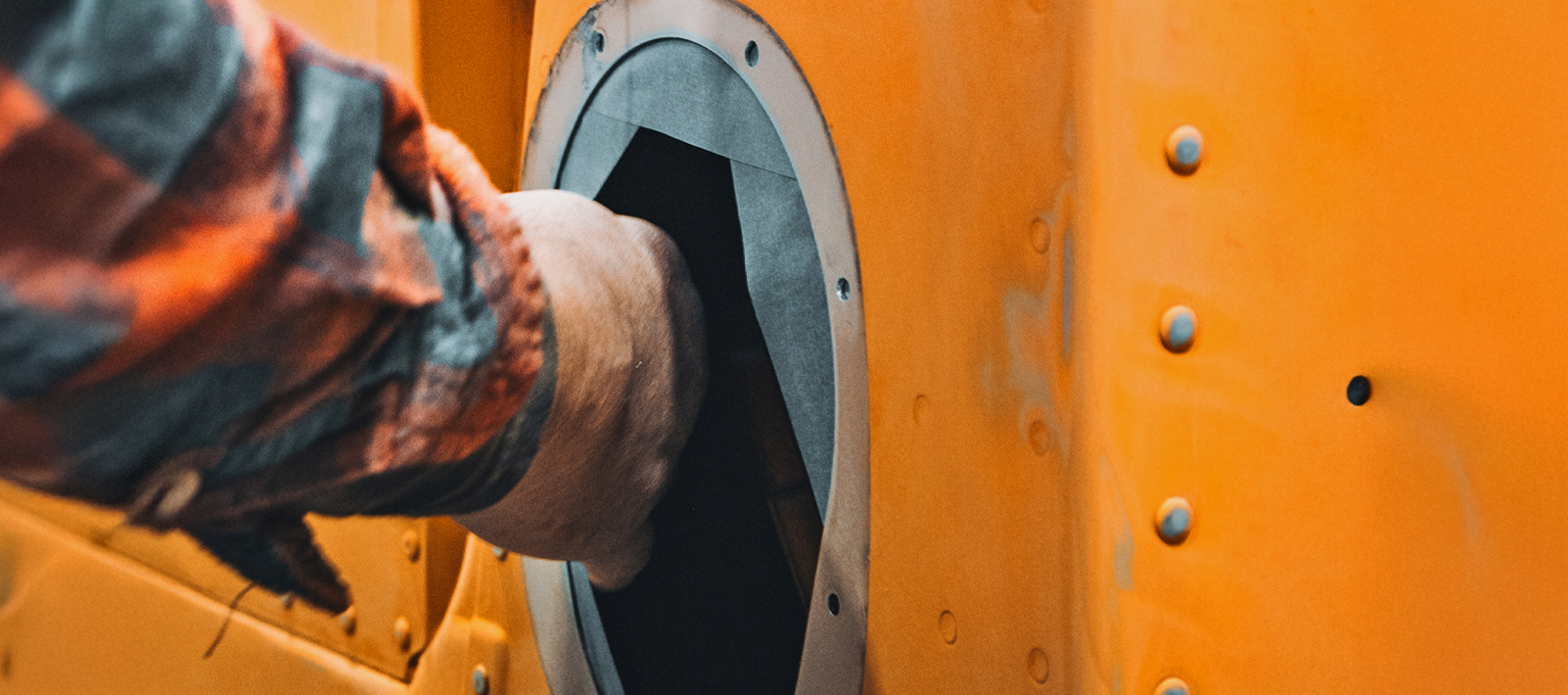
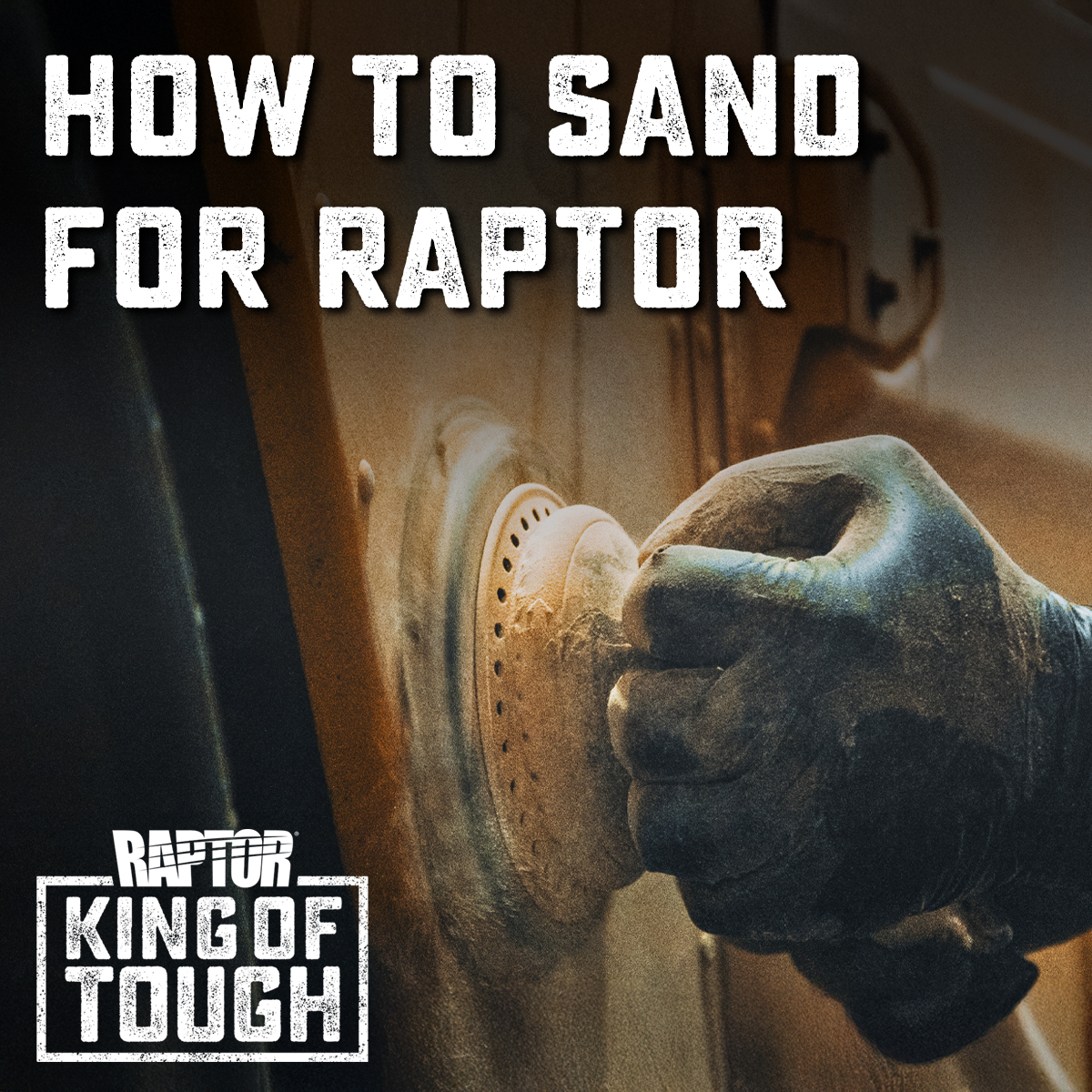
By masking before sanding, you’ll ensure you don’t sand unwanted areas, whilst being able to sand right along the edge of your work surface. By re-masking after the sanding process, you’ll ensure your lines are clean and your project surface is protected before coating.

Ensure all Edges are Sealed
One of the most common mistakes we see is a poorly sealed edge. If your masking tape is not firmly pressed down RAPTOR can bleed through creating uneven or rough edging. Be sure to
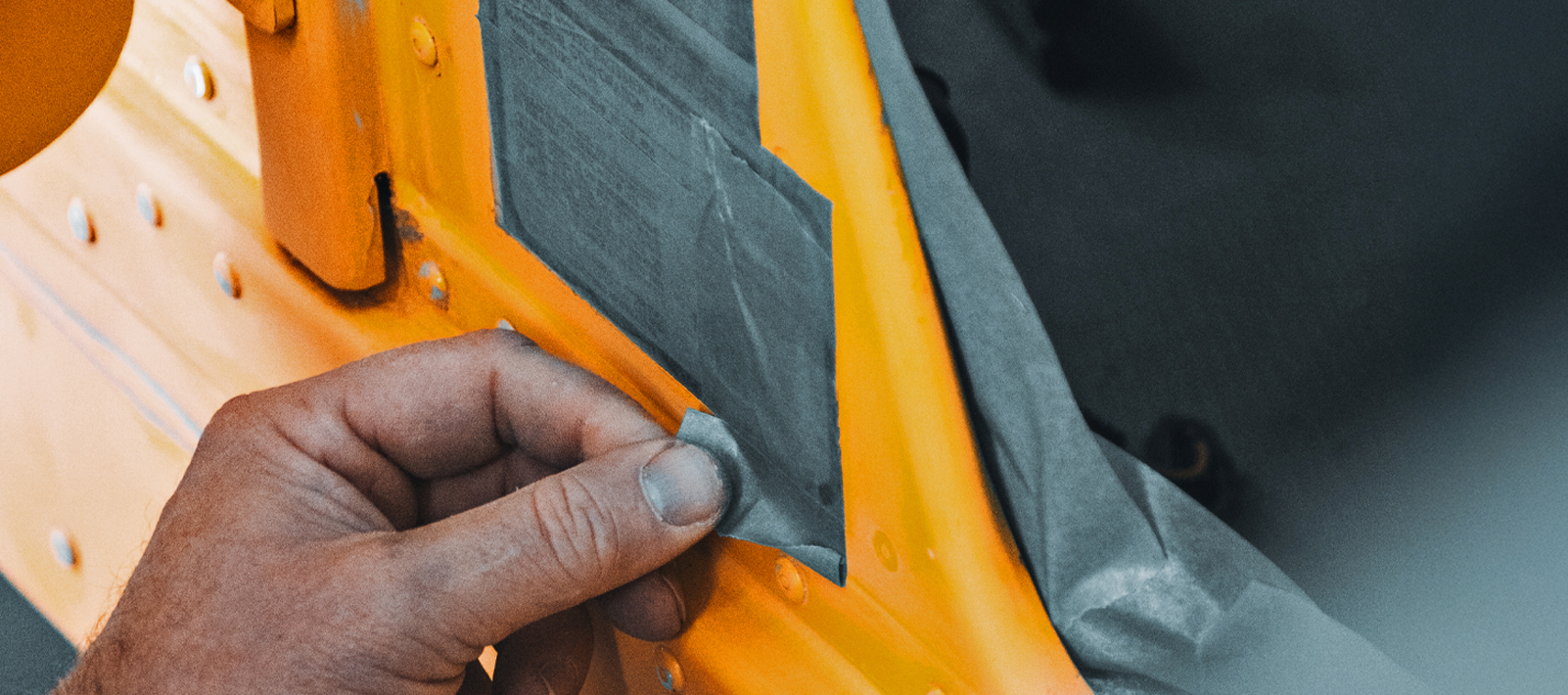
- Check your tape is firmly pressed down along all edges
- Run your finger along the tape to ensure full contact
- Check corners, curves, and tape joins carefully
Pro Tips for Professional Results
These are a few techniques you can use to ensure you achieve a professional finish every time.
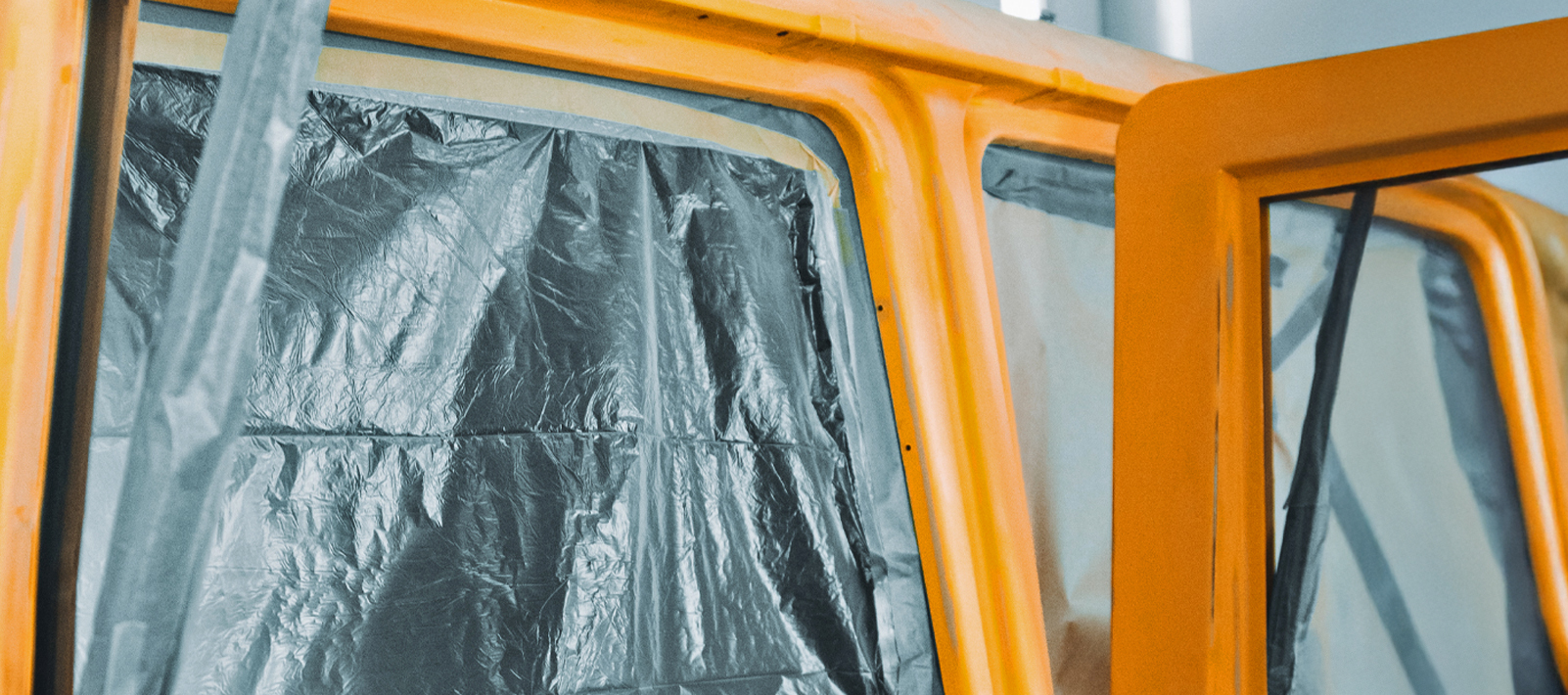
- Where possible, mask from behind the surface being coated, this will hide transition lines and ensure a clean and even finish
- Think about how the edge will look once unmasked, avoid hard, visible lines
- Take your time, a quality mask will ensure a quality finish. Don’t rush the process
Masking may be one of the more tedious parts of a project, but it is essential to achieving great results, a quick clean up, and ensuring your project and workspace stay clean.